Why Makinohara
Why Makinohara
Makinohara City in Shizuoka Prefecture is a unique city of 40,000 people that combines an industrial base as one of Japan's leading tea-producing regions and manufacturing hubs with international access through Mt. Fuji Shizuoka Airport. By combining regional resources with startup technology, world-class businesses are born here.
A promotional video introducing the attractions of Makinohara City
City Overview
City Overview
Makinohara City is located in the central-western part of Shizuoka Prefecture. To the north stretches the Makinohara Plateau — Japan's largest tea plantation — while to the south lies a 15km coastline facing Suruga Bay. Blessed with a mild climate and abundant nature, the area has long been known for tea production.
In recent years, the opening of Mt. Fuji Shizuoka Airport has dramatically improved domestic and international access. With multiple Tomei Expressway interchanges, Tokyo, Nagoya, and Osaka are all easily accessible. Despite being a regional city, Makinohara has transportation infrastructure directly connected to the world.
~40,000
Population
No. 1
Makinohara Plateau Tea Garden
Direct
Mt. Fuji Shizuoka Airport
¥1T
Manufacturing Shipment Value
Regional Resources
Regional Resources
Makinohara City has four pillars of industrial resources, each holding the potential to create new value through collaboration with startups.
Agriculture & Fisheries
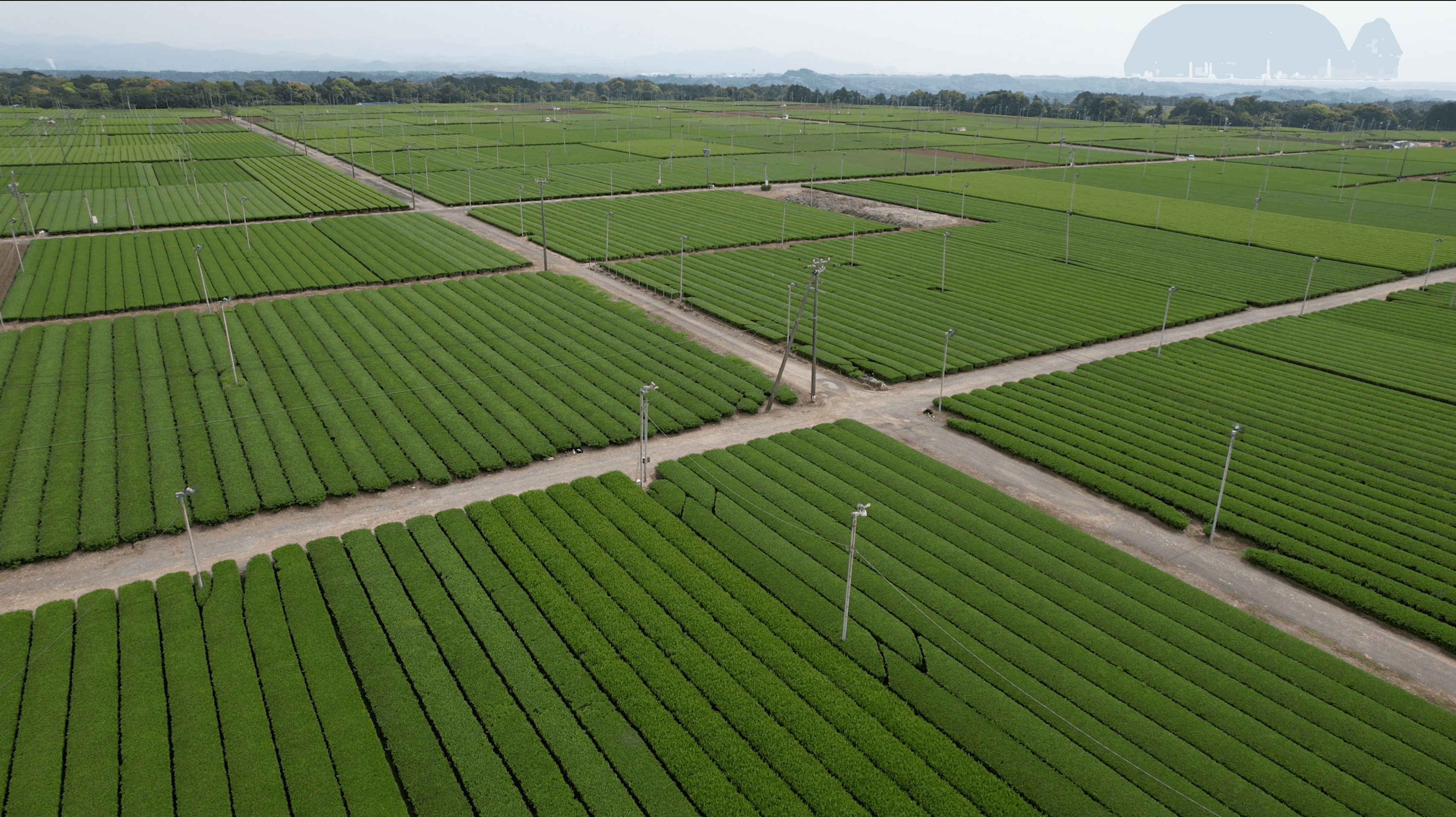
Japan's largest tea plantations spread across the Makinohara Plateau are truly the city's symbol. Besides tea, cultivation of strawberries, melons, and citrus fruits thrives. From Suruga Bay, fresh shirasu, sakura shrimp, and bonito are landed daily.
In recent years, the field has attracted attention for innovation including tea industry DX, smart agriculture adoption, and regeneration of abandoned tea gardens. A past MakiChalle winning plan to convert abandoned tea gardens into lemon orchards has already been commercialized.
Manufacturing
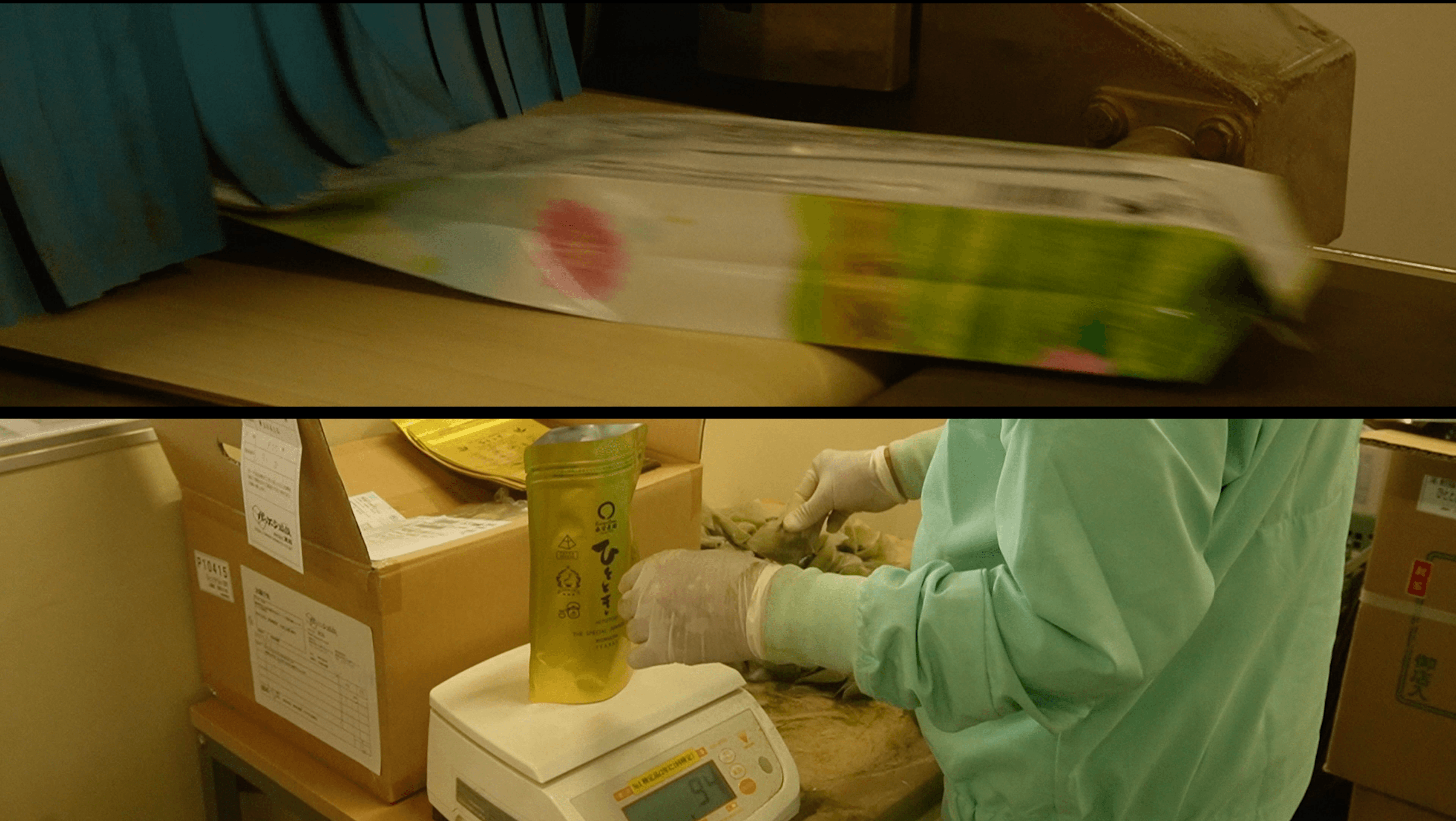
Automobile-related companies and other manufacturers are concentrated here, supported by the high technical capabilities of SMEs.
Past MakiChalle winners include Midwest Composites, which successfully prototyped automotive interior parts using waste tea trees in collaboration with local manufacturers.
Tourism
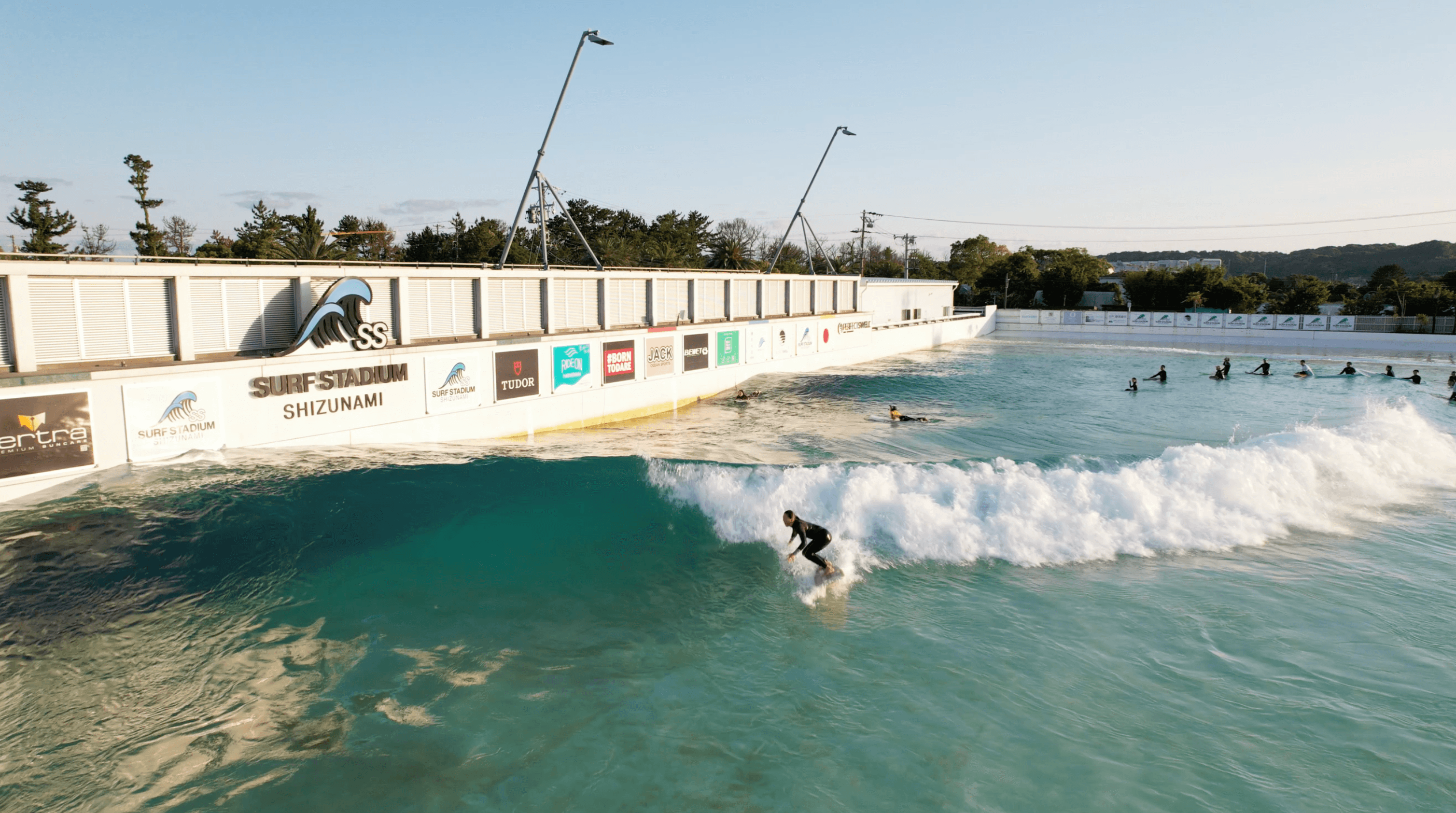
The 15km coastline is known as a surfing spot, attracting marine sports enthusiasts from across Japan. Historical tourism resources such as Sagara Komare Onsen and Sagara Oil Field ruins are also abundant.
Past MakiChalle winners include M-Weddings, which started a wedding business leveraging Makinohara's scenic landscape.
Transportation
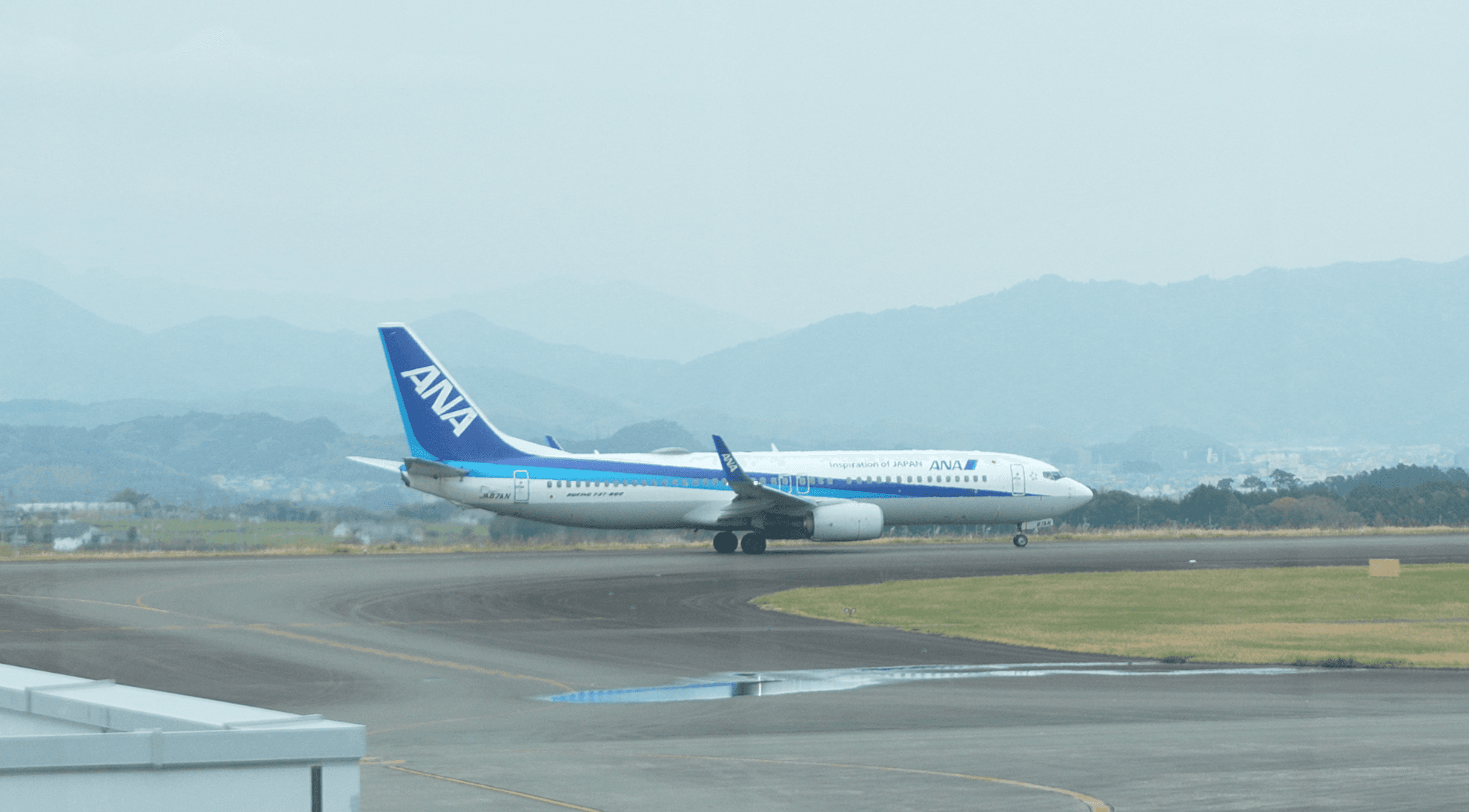
Mt. Fuji Shizuoka Airport is located within Makinohara City, with direct flights to East and Southeast Asian destinations including China, Korea, Taiwan, and Vietnam. Access to the Tomei and Shin-Tomei Expressways is excellent — about 2 hours from Tokyo and 1.5 hours from Nagoya.
Despite being a regional city, Makinohara has its own airport with direct flights to East Asia, providing excellent international access.
Collaboration
Co-Creation with Startups
MakiChalle is more than a pitch contest. It's a co-creation platform where startups and local businesses work together to build new ventures using Makinohara's regional resources. Selected companies receive matching with local businesses and business development support.
For applicant companies, it's a chance to commercialize and expand through collaboration with local businesses. For local businesses, incorporating startup ideas and technology enables transformation of existing operations and entry into global markets.
We are committed to wholeheartedly supporting entrepreneurs who will challenge the world together with Makinohara City.
Local Business Matching
Direct matching with companies, farmers, and fishermen in Makinohara City. Find specific collaboration partners for commercialization.
Business Development Support
Selected companies receive hands-on support including fundraising assistance, mentoring, and business model development for implementation.
Government Partnership
As a city-organized event, leverage administrative networks and resources for business expansion, including regulatory compliance and licensing support.
Why Here
Why Start Your Business Here
01
Land, Sea & Air — Logistics Hub Within 30 Minutes
Just 2 hours to Tokyo and 1.5 hours to Nagoya via the Tomei Expressway. Mt. Fuji Shizuoka Airport is directly connected to the city. Omaezaki Port, a major harbor, is 25 minutes by car. A rare location where highway, airport, and port are all within 30 minutes.
02
¥1 Trillion Manufacturing Output
Despite a population of just 40,000, manufacturing output reaches approximately ¥1 trillion. Major global companies including Yazaki (45 countries, 250,000 employees) and Koito Manufacturing (2 plants in the city) form a concentrated automotive supply chain. Rich opportunities for collaboration with established industries.
03
Expanding Direct Flights to Asia
International flights from Mt. Fuji Shizuoka Airport serve South Korea (Busan), Taiwan, China (Qingdao), and Vietnam (Hanoi). Routes continue to expand year by year, increasing potential as an Asian business hub.
Support
End-to-End Business Launch Support
MakiChalle doesn't end at the contest. Comprehensive support systems are in place to help you launch your business.
01
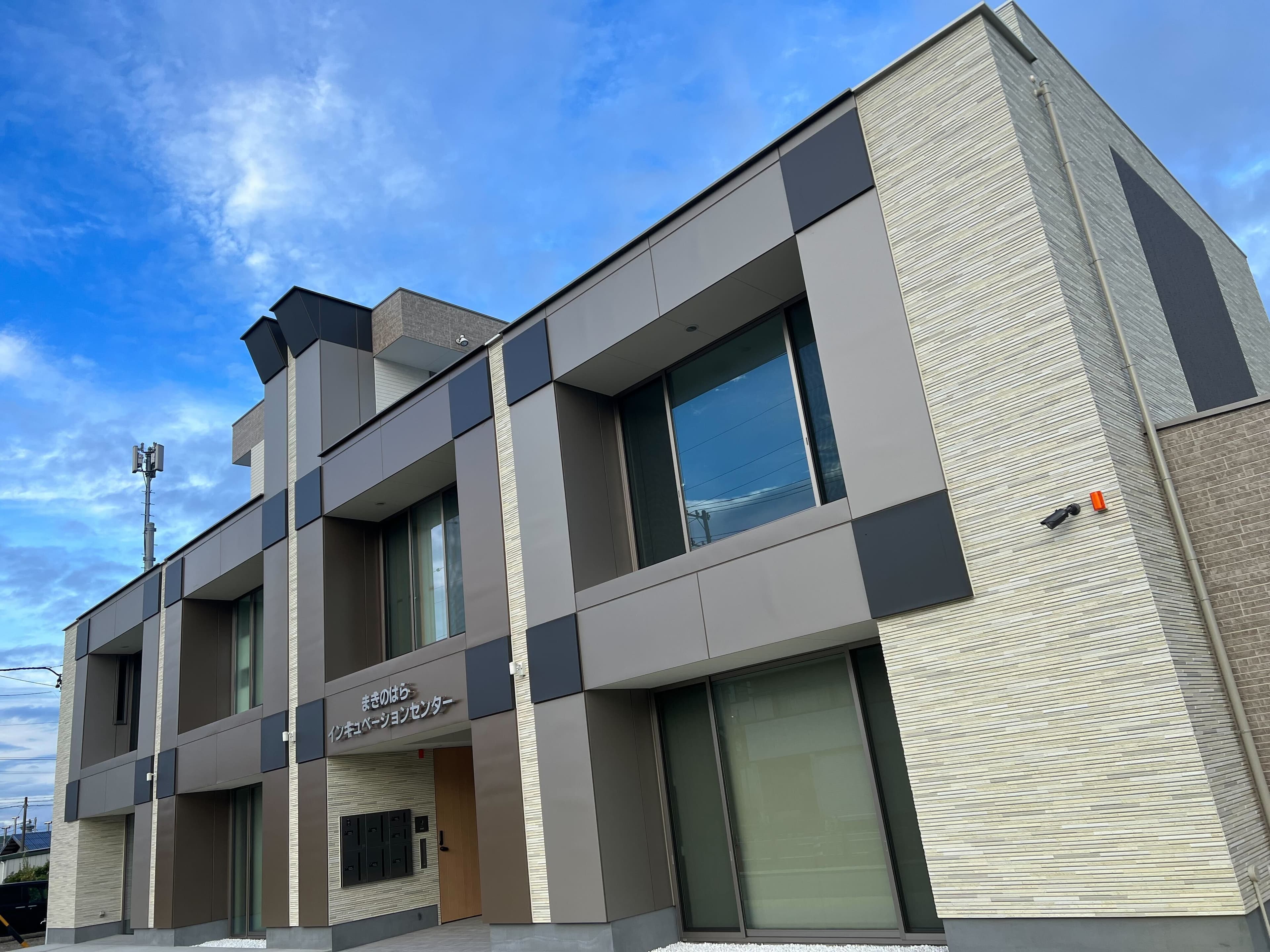
Makinohara Incubation Center (MIC)
A shared office with built-in accounting services. Access consultations with financial institutions, lawyers, and labor consultants, plus funding support. MakiChalle applicants receive a 1/3 subsidy on usage fees (up to ¥100,000/year).
02
Business Location Incentives
Subsidies for land acquisition and new employment costs, approximately 40% electricity cost reduction (select areas), and up to ¥1 billion in location subsidies through Shizuoka Prefecture partnerships.
03
Expert Network
A network of patent attorneys, SME consultants, and financial institution representatives ready to support commercialization. Active business matching through MakiChalle judges and sponsor companies.